Table of Contents
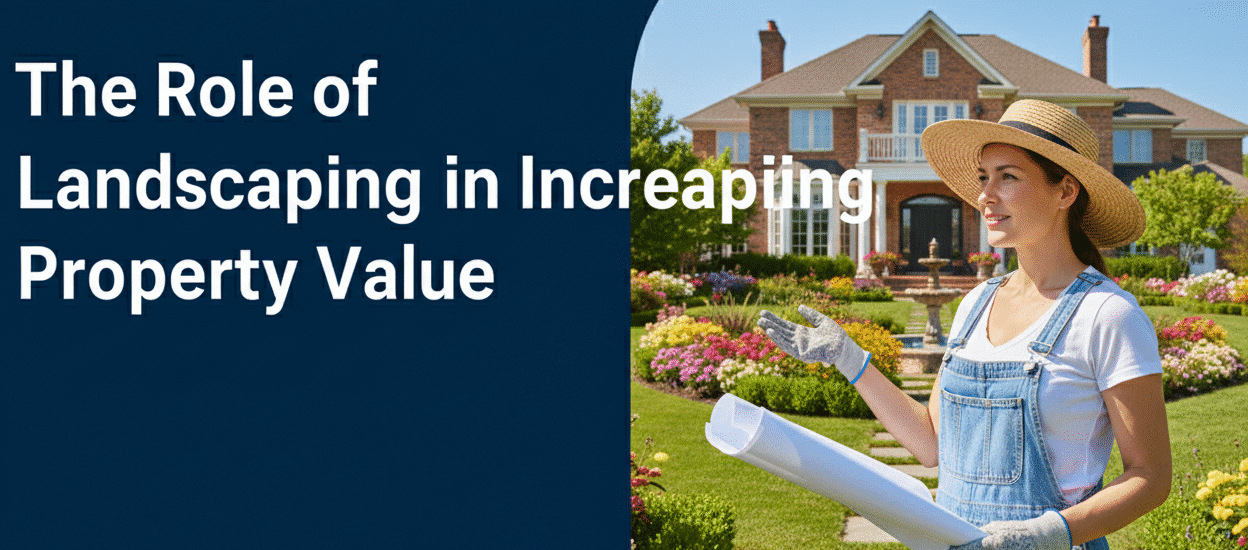
The Role of landscaping in property value has become one of the most talked-about aspects of modern real estate. Buyers are not just looking for four walls and a roof; they want a home that radiates charm, creates a welcoming atmosphere, and offers functional outdoor living. A well-designed landscape can enhance curb appeal, create usable spaces, and significantly boost a property’s market worth. In today’s competitive property market, landscaping has evolved into more than just aesthetics—it is a strategic investment.
Curb Appeal as the First Impression
The Role of first impressions in real estate cannot be overstated. The moment a potential buyer approaches a property, the outdoor environment sets the tone. A lush lawn, healthy trees, colorful flowers, and a tidy walkway all convey a sense of care and quality. This initial visual appeal influences buyer perception before they even step inside. A neglected exterior, on the other hand, can lower perceived value and dissuade interest. Landscaping, therefore, plays a crucial Role in ensuring a positive and lasting first impression.
Increasing Functional Outdoor Space
The Role of landscaping goes beyond beautification—it extends living space. Outdoor areas can be designed for entertaining, dining, or simply relaxing. Patios, pergolas, decks, and outdoor kitchens are sought-after features that make a home more attractive to modern buyers. These spaces allow people to envision their lifestyle in the property, thereby increasing emotional connection and willingness to invest. In this sense, landscaping enhances functionality while simultaneously raising property value.
Environmental and Economic Benefits
Another important Role of landscaping is sustainability. Strategic planting of trees can reduce energy costs by providing natural shade, lowering cooling expenses in summer, and acting as windbreaks in winter. Moreover, eco-friendly features like rain gardens, drought-resistant plants, and water-efficient irrigation systems appeal to environmentally conscious buyers. These green solutions not only cut costs but also align with growing demand for sustainable living, further boosting property desirability and market value.
Return on Investment (ROI) of Landscaping
The Role of landscaping as a financial strategy is backed by research. Studies indicate that landscaping can increase property value by 10% to 20%. Simple upgrades such as planting trees, adding flower beds, or updating pathways can yield significant returns. Larger investments like swimming pools, outdoor kitchens, and garden lighting may cost more upfront but often attract premium buyers willing to pay extra for these luxuries. Compared to other home improvement projects, landscaping consistently offers one of the highest ROIs.
Tailoring Landscaping to Property Style
The Role of customization in landscaping is equally important. A modern home may benefit from minimalist landscaping with clean lines and contemporary hardscapes, while a classic villa might look best with lush gardens and ornamental details. Aligning landscaping design with the property’s architecture ensures harmony and enhances overall appeal. Personalized landscaping not only adds uniqueness but also strengthens the property’s identity in the market.
Professional Landscaping Services
The Role of professionals in landscaping should not be underestimated. While DIY efforts may improve a yard, hiring experts ensures design consistency, plant health, and long-lasting results. Professionals can assess soil conditions, climate, and space usage to craft tailored solutions that maximize property value. From seasonal maintenance to large-scale redesigns, expert landscaping services provide the polish and durability that modern buyers expect.
Conclusion
The Role of landscaping in increasing property value goes far beyond surface-level beauty. It influences first impressions, extends functional living space, supports sustainability, and directly impacts ROI. By combining aesthetics with practicality, landscaping transforms a property into a highly desirable investment. Whether through professional design or careful upgrades, homeowners who prioritize landscaping often enjoy faster sales and higher returns. In the world of real estate, landscaping is not just an add-on—it is a value multiplier.
✅ Ready to Make the Smart Move?
Explore our latest smart home listings or book a free consultation with a Heptagon advisor today. Let’s help you find a home that’s not just modern—but future-ready.
Call us: +971 50 203 5824
Email: info@heptagonproperties.com
Website: https://heptagonproperties.com
Check out our contracting company: https://charminardubai.com/
Follow us on Instagram | LinkedIn | YouTube | Facebook | Tiktok
Frequently Asked Questions (FAQs) Questions (FAQs)
How much value can landscaping add to a property?
Landscaping can increase property value by 10% to 20%, depending on the quality of design, maintenance, and the types of outdoor features added.
Is professional landscaping worth the investment?
Yes, professional landscaping ensures long-lasting results, design consistency, and healthy plant growth. It also improves curb appeal, which helps properties sell faster and at higher prices.
What type of landscaping has the highest return on investment?
Upgrades such as well-maintained lawns, flower beds, trees, outdoor lighting, and patios typically deliver the best ROI. Features like outdoor kitchens and pergolas attract premium buyers.
Does landscaping affect property marketability?
Absolutely. Homes with beautiful, well-kept landscaping stand out in listings and attract more buyers. They also tend to sell faster than properties with neglected outdoor spaces.
Can sustainable landscaping increase property value?
Yes, eco-friendly landscaping—such as drought-resistant plants, energy-saving tree placement, and efficient irrigation systems—appeals to modern buyers who value sustainability and lower utility costs.