Table of Contents
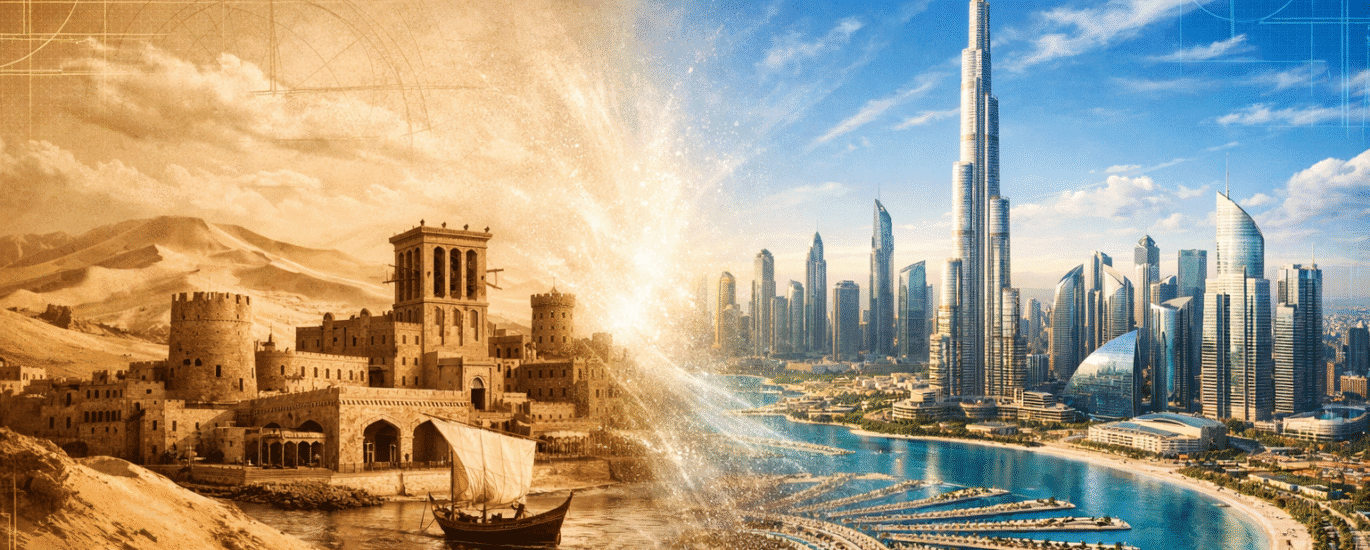
Desert to destination—this phrase encapsulates one of the most remarkable urban transformations in modern history. Dubai’s journey from desert to destination represents more than geographical change; it embodies visionary leadership, strategic planning, and relentless ambition. The desert to destination narrative of Dubai’s real estate sector offers invaluable lessons in what’s possible when innovation meets determination.
The Beginning: When Desert Was All There Was
Fifty years ago, Dubai’s landscape was dominated by vast stretches of sand, a small creek, and a modest population of traders and fishermen. The terrain seemed an unlikely candidate for becoming a global real estate powerhouse. Yet even then, Dubai’s leadership envisioned transforming this desert to destination through careful economic diversification.
The 1970s oil discovery provided initial capital, but the vision extended far beyond petroleum revenues. Real estate emerged as a strategic pillar for economic growth. Early projects like Port Rashid and Jebel Ali Port established Dubai as a regional trade hub, setting the foundation for the desert to destination transformation that would captivate the world.
The 1990s: Laying the Foundation
The decade witnessed Dubai’s first significant real estate developments. The World Trade Centre stood as a bold statement of ambition, rising from the sand as a symbol of commercial aspiration. Emirates Hills began reshaping residential expectations with golf course communities that challenged conventional thinking about luxury living in the region.
These projects proved that the desert to destination vision was achievable. International investors started paying attention. The infrastructure backbone—roads, utilities, telecommunications—expanded rapidly, creating the essential framework for sustainable growth. Each development added momentum to Dubai’s evolving identity.
The Millennium Explosion: Icons Rise from the Sand
The year 2002 marked a pivotal moment when Dubai introduced freehold property ownership for foreigners in designated zones. This legislative breakthrough accelerated the desert to destination journey dramatically. International capital flooded in, and developers competed to create increasingly ambitious projects.
The Palm Jumeirah revolutionized coastal development by literally creating new land through innovative land reclamation. This engineering marvel demonstrated that geographical limitations could be overcome through ingenuity and investment. Dubai Marina emerged as a complete waterfront city, hosting thousands of residents in an area that was previously empty coastline.
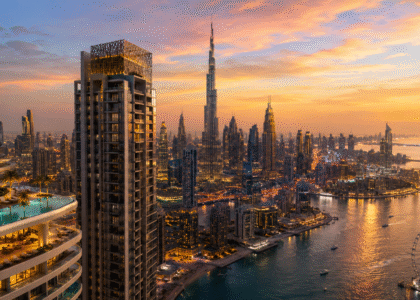
The Burj Khalifa, reaching 828 meters into the sky, became the ultimate symbol of the desert to destination philosophy. Completed in 2010, it represented human achievement and Dubai’s refusal to accept conventional limits. Downtown Dubai surrounding the tower became a blueprint for integrated urban planning, combining residential, commercial, retail, and entertainment seamlessly.
Iconic properties like the Burj Al Arab redefined luxury hospitality globally. Its distinctive sail-shaped silhouette became instantly recognizable worldwide, cementing Dubai’s reputation as a city where architectural dreams became reality.
Navigating Storms: The 2008 Crisis and Recovery
The global financial crisis tested Dubai’s real estate market severely. Property values dropped, projects stalled, and skeptics questioned whether the desert to destination story could continue. However, this period catalyzed crucial market reforms.
The government implemented comprehensive regulatory frameworks through the Real Estate Regulatory Agency (RERA). Escrow account mandates protected buyer deposits. Transparency increased dramatically. These measures strengthened market foundations and restored international investor confidence.
Recovery came steadily. By 2014, the market had regained momentum, but with greater maturity and sustainability. The crisis taught valuable lessons about balancing ambition with prudent risk management, making the desert to destination journey more resilient.
Contemporary Dubai: Sophistication and Sustainability
Today’s Dubai real estate sector reflects evolved priorities. Sustainability has moved from optional to essential. Green building certifications, energy efficiency, and environmental consciousness shape new developments. Projects like Sustainable City and numerous LEED-certified buildings demonstrate commitment to responsible growth.
Technology integration distinguishes modern properties. Smart home systems, advanced security, IoT connectivity, and digital infrastructure are standard features. The desert to destination evolution now includes becoming a smart city pioneer.
Dubai’s successful hosting of Expo 2020 showcased the emirate’s capabilities while creating lasting infrastructure. District 2020, the repurposed expo site, continues serving as a vibrant community, exemplifying how temporary events can generate enduring value.
Investment Magnetism: Why Dubai Attracts Global Capital
The desert to destination transformation has established Dubai as a premier investment location. Multiple factors drive this appeal: zero property taxes, no capital gains taxes, freehold ownership opportunities, strategic location between East and West, political stability, world-class infrastructure, and exceptional lifestyle amenities.
Rental yields typically range from 5-8% annually, outperforming many global markets. Recent visa reforms, including golden visas and long-term residency options, have amplified demand by offering investors greater security and flexibility.
Diverse neighborhoods cater to different preferences. Dubai Hills Estate offers suburban tranquility. Business Bay provides urban intensity. Arabian Ranches delivers family-friendly community living. This variety ensures the desert to destination story accommodates diverse lifestyles and investment strategies.
Looking Forward: The Next Chapter
Dubai 2040 Urban Master Plan envisions doubling green spaces, enhancing walkability, and expanding public transportation. These initiatives ensure the desert to destination evolution continues prioritizing quality of life alongside economic growth.
Emerging areas like Dubai South, surrounding Al Maktoum International Airport, promise significant future appreciation. Strategic planning ensures sustained development opportunities across the emirate for decades to come.
Conclusion
The desert to destination journey represents one of humanity’s most impressive urban transformations. From barren landscapes to glittering skylines, Dubai proves that visionary leadership combined with strategic execution can reshape reality itself.
For investors, developers, and residents, Dubai offers compelling opportunities within a proven framework of innovation and growth. The desert to destination story continues evolving, promising exciting chapters ahead for those willing to participate in this extraordinary urban narrative.
✅ Ready to Make the Smart Move?
Explore our latest smart home listings or book a free consultation with a Heptagon advisor today. Let’s help you find a home that’s not just modern—but future-ready.
Call us: +971 50 203 5824
Email: info@heptagonproperties.com
Website: https://heptagonproperties.com
Check out our contracting company: https://charminardubai.com/
Follow us on Instagram | LinkedIn | YouTube | Facebook | Tiktok
Frequently Asked Questions (FAQs)
How long did Dubai's transformation from desert to major city take?
Dubai’s major transformation accelerated in the 1990s and 2000s, with the most dramatic changes occurring over approximately 30 years. However, foundational development began in the 1970s following oil discovery. The pace of transformation has been unprecedented compared to other global cities, which typically require centuries to achieve similar development levels.
What are the most iconic real estate projects in Dubai's evolution?
Key landmark projects include the Burj Khalifa (world’s tallest building), Palm Jumeirah (artificial archipelago), Burj Al Arab (luxury hotel), Dubai Marina (waterfront community), Downtown Dubai (integrated urban center), Dubai Mall (world’s largest shopping destination), and the upcoming Museum of the Future. Each represents a milestone in Dubai’s development journey.
Is Dubai's real estate market stable for long-term investment?
Dubai’s market has matured significantly since the 2008 crisis, with stronger regulations, improved transparency, and better governance. While all real estate markets experience cycles, Dubai benefits from consistent population growth, strong tourism, business-friendly policies, and ongoing infrastructure investment. Long-term fundamentals remain positive, though investors should conduct thorough due diligence and consider market timing.
What future developments are planned for Dubai?
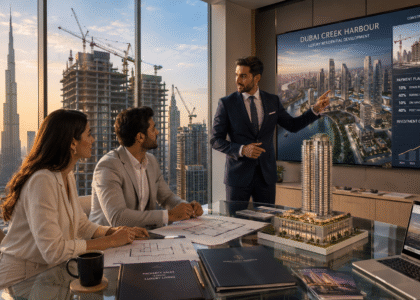
Major upcoming projects include Dubai Creek Harbour (featuring Dubai Creek Tower), expansion of Dubai South around Al Maktoum International Airport, Deira Islands development, Bluewaters Island completion, and numerous master-planned communities. The Dubai 2040 Urban Master Plan guides long-term development with emphasis on sustainability, green spaces, and quality of life enhancements.
How does Dubai's real estate compare to other global cities?
Dubai offers competitive advantages including no property or capital gains taxes, higher rental yields (5-8% vs 2-4% in many Western cities), freehold ownership for foreigners, lower entry prices than cities like London or New York, year-round sunshine, and strategic connectivity. However, it lacks some historical depth and established rental cultures found in older cities. The choice depends on individual investment goals and lifestyle preferences.