Table of Contents
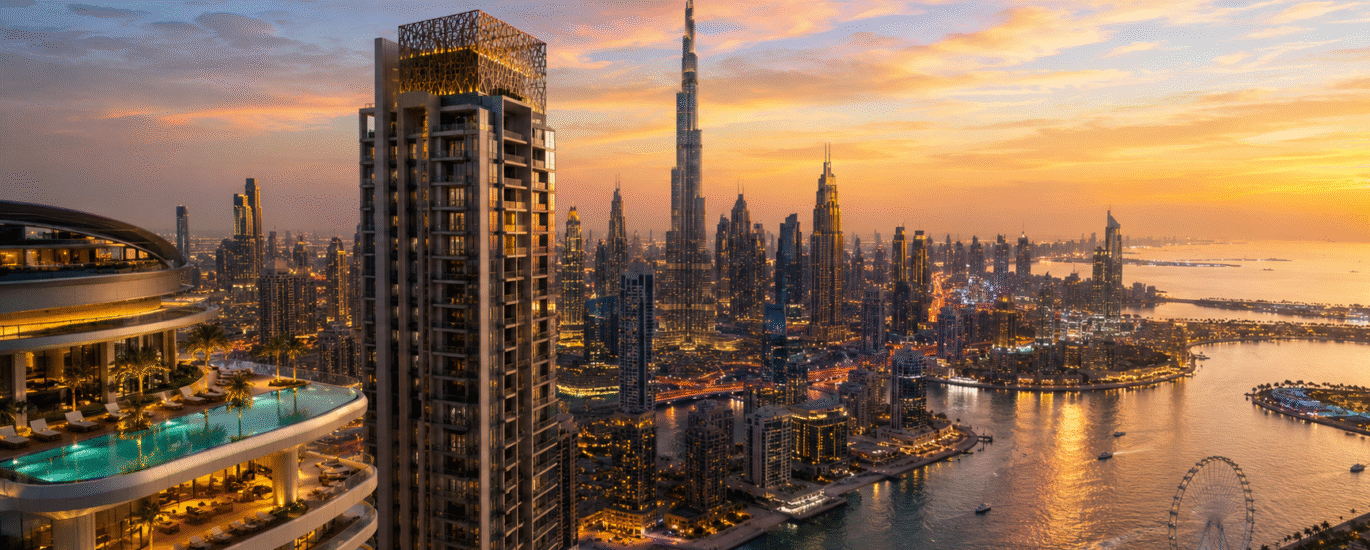
Tourism is one of the most powerful and consistently underestimated forces driving Dubai’s real estate market forward. The relationship between visitor growth and Property Demand is not incidental — it is structural, deeply embedded in the way Dubai has positioned itself as a global destination for leisure, business, and long-term relocation. When millions of visitors arrive in a city, experience its infrastructure, lifestyle, and opportunity firsthand, and leave with a desire to return or remain, the effect on real estate is direct and measurable.
Understanding precisely how Tourism translates into sustained Property Demand helps investors, developers, and homeowners make informed decisions grounded in the real economic forces shaping Dubai’s property market — not speculation, but the clear, data-backed relationship between footfall and real estate performance.
Why Tourism and Property Demand Are Inseparable in Dubai
Many investors assume that Tourism and property investment operate in parallel but separate lanes. In Dubai, they do not. The city has been deliberately architected — physically, economically, and legislatively — so that visitor experience converts into long-term residency interest, and residency interest converts into Property Demand.
Dubai’s freehold ownership legislation, its long-term residency visa framework, and its consistent delivery of world-class hospitality infrastructure have created a pipeline that moves visitors naturally toward becoming residents, and residents toward becoming property owners. This pipeline is one of the most distinctive features of Dubai’s real estate market and the reason Tourism figures are followed as closely by property professionals as they are by the hospitality sector.
1. Record Visitor Numbers Create a Continuous Buyer Pipeline
Dubai welcomed over 17 million international visitors in 2023 — a figure that continues to grow. Every visitor who experiences the city’s connectivity, safety, climate, tax environment, and quality of life becomes a potential future buyer or long-term tenant. The conversion rate from first-time visitor to repeat visitor to property enquirer is well documented in Dubai’s market data.
Tourism at this scale does not merely generate hotel revenue — it generates consistent, renewable exposure to Dubai as a place to live, work, and invest. The sustained growth in visitor numbers is therefore one of the most reliable leading indicators of future Property Demand that market analysts track.
2. Short-Term Rental Markets Amplify Investment Returns
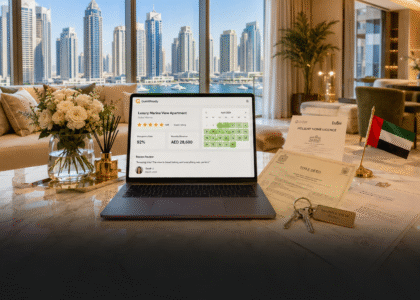
The growth of Tourism has directly fuelled the expansion of Dubai’s short-term rental sector — creating an entirely new category of Property Demand driven by investors seeking yield rather than end-use occupancy.
Properties in districts with high visitor concentration — Downtown Dubai, Dubai Marina, Palm Jumeirah, and Business Bay — command premium short-term rental rates that significantly outperform long-term tenancy yields in comparable units. This yield premium attracts domestic and international capital into the market, sustaining Property Demand even during periods when end-user appetite softens. The short-term rental economy has become a structural pillar of Dubai’s real estate investment case.
3. Hospitality Infrastructure Investment Elevates Surrounding Property Values
Every major hospitality project delivered in Dubai — a luxury hotel, an integrated resort, a world-class entertainment venue — raises the profile and desirability of its surrounding district. Tourism infrastructure investment functions as a consistent value driver for residential and commercial property in adjacent areas.
The opening of new hotel brands, the expansion of MICE facilities, and the development of landmark visitor attractions all signal long-term commitment to an area’s growth trajectory — which sophisticated investors read as a reliable indicator of sustained Property Demand in those locations for years ahead.
4. Business Tourism Drives Commercial and Serviced Property Demand
Tourism in Dubai is not limited to leisure visitors. The city is among the world’s leading business travel destinations — hosting hundreds of major international conferences, exhibitions, and corporate events annually through venues including the Dubai World Trade Centre and Expo City Dubai.
Business Tourism generates a distinct and highly valuable layer of Property Demand — from short-stay serviced apartments and corporate housing to permanent relocation driven by executives who visit for business and choose to base themselves and their families in the city permanently. This segment of the market is consistently underappreciated by observers who focus exclusively on leisure visitor numbers.
5. Global Connectivity Expands the Buyer Pool Continuously
Dubai International Airport remains one of the world’s busiest international aviation hubs, connecting the city to over 240 destinations across six continents. This exceptional connectivity is both a driver of Tourism and a fundamental enabler of Property Demand — making Dubai accessible to buyers, investors, and tenants from virtually every major source market simultaneously.
Every new direct route opened, every frequency increase on an existing connection, and every expansion of terminal capacity effectively broadens the pool of people for whom Dubai is a realistic and convenient place to own property. Connectivity is infrastructure, and in Dubai’s case, aviation infrastructure translates directly and measurably into real estate market depth.
6. Risk Assessment and Long-Term Market Outlook
At the intersection of Tourism growth and Property Demand, the long-term outlook for Dubai’s real estate market remains firmly positive — underpinned by government-backed infrastructure investment, a growing permanent population, and continued expansion of the city’s global profile as a lifestyle and business destination.
The key indicators our specialists monitor include:
- Annual visitor arrival growth — the primary leading indicator of future property enquiry volume.
- Hotel occupancy and average daily rate performance — reflecting the sustained appeal of Dubai as a destination.
- Short-term rental yield trends by district — identifying where Tourism-driven investment demand is most active.
- Visa issuance data — tracking the conversion of Tourism interest into residency and ownership.
- New aviation route announcements — expanding the buyer pool from emerging source markets.
Every analysis is explained in full, giving investors and homeowners complete understanding of what the data shows, what it means for their specific position, and what the most informed response to current market conditions looks like.
Conclusion
The relationship between Tourism growth and Property Demand in Dubai is not a theory — it is one of the most consistently demonstrated dynamics in the city’s real estate market. Record visitor numbers, world-class hospitality infrastructure, unmatched global connectivity, and a legislative framework designed to convert visitors into residents and residents into owners have created a self-reinforcing cycle of demand that continues to strengthen with each passing year.
Our specialists bring the market knowledge, data insight, and investment experience to help you identify and act on the opportunities this cycle creates — not reactively, but with the clarity and confidence that comes from genuinely understanding what is driving Dubai’s property market forward.
Contact us today to arrange your complimentary consultation and take the first step toward a fully informed Dubai property investment decision.
✅ Ready to Make the Smart Move?
Explore our latest smart home listings or book a free consultation with a Heptagon advisor today. Let’s help you find a home that’s not just modern—but future-ready.
Call us: +971 50 203 5824
Email: info@heptagonproperties.com
Website: https://heptagonproperties.com
Check out our contracting company: https://charminardubai.com/
Follow us on Instagram | LinkedIn | YouTube | Facebook | Tiktok
Frequently Asked Questions (FAQs)
How directly does Tourism growth affect Dubai property prices?
The relationship is well established and consistently supported by market data. Periods of strong Tourism growth in Dubai correlate with increased property enquiry volumes, reduced time-on-market for available units, and upward pressure on both sales prices and rental rates — particularly in districts with high visitor concentration and strong short-term rental infrastructure.
Which Dubai districts benefit most from Tourism-driven Property Demand?
Districts with the strongest direct link between Tourism activity and Property Demand include Downtown Dubai, Dubai Marina, Palm Jumeirah, Business Bay, and Jumeirah Beach Residence. These areas combine high visitor footfall, established short-term rental markets, and strong long-term capital growth credentials that attract both investor and end-user buyers.
Is short-term rental investment in Dubai a reliable long-term strategy?
For well-located properties managed professionally, short-term rental investment in Dubai has consistently delivered attractive yields. The continued growth of Tourism ensures sustained occupancy demand, while Dubai’s regulatory framework for holiday homes — administered through the Department of Economy and Tourism — provides a structured and increasingly professionalised operating environment for investors in this segment.
Does business Tourism have a different impact on Property Demand than leisure Tourism?
Yes, meaningfully so. Business Tourism drives demand for serviced apartments, corporate housing, and premium residential product in commercial districts — often at higher price points and with a stronger permanent relocation conversion rate than leisure Tourism. Investors targeting this segment typically focus on quality, location, and service specification rather than price point alone.
How does Dubai's visa framework support the conversion of Tourism interest into property ownership?
Dubai’s long-term residency visa options — including the Golden Visa available to property investors meeting specific ownership thresholds — create a formal, accessible pathway from Tourism experience to permanent residency and property ownership. This legislative framework is one of the most important structural factors driving sustained Property Demand from international buyers who first encounter Dubai as visitors.