Table of Contents
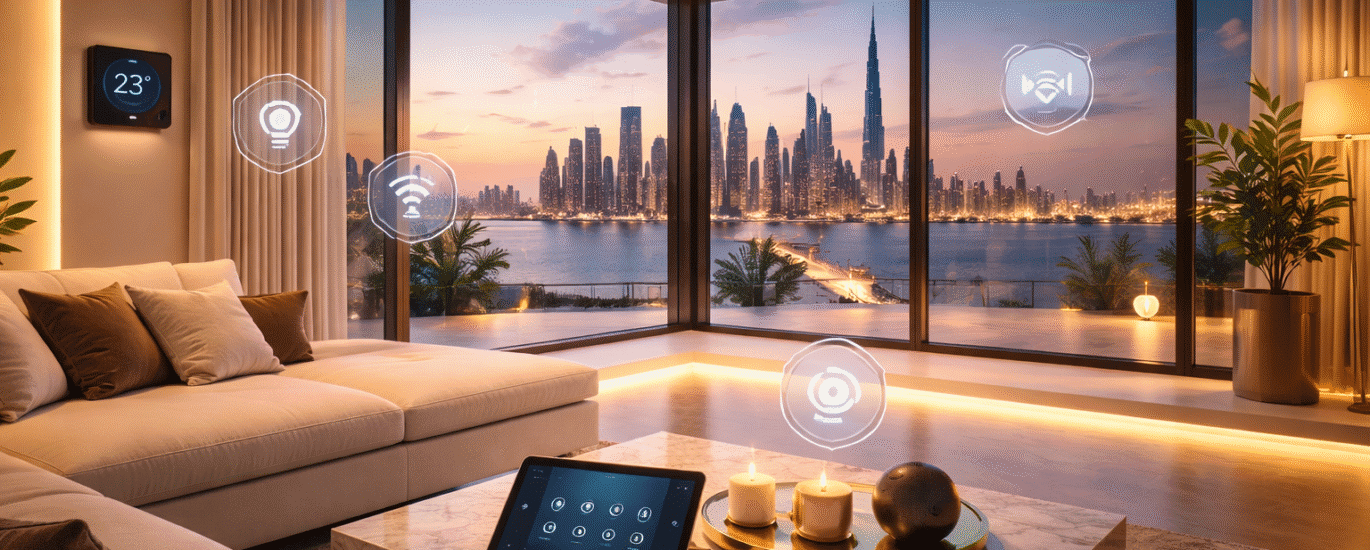
Smart Home technology has emerged as a defining feature in Dubai’s rapidly evolving property market, transforming how residents interact with their living spaces. As the emirate positions itself as a global leader in innovation and sustainability, intelligent home automation has shifted from luxury amenity to essential expectation. From the gleaming towers of Downtown Dubai to the waterfront villas of Palm Jumeirah, technology-enabled properties are setting new standards for comfort, efficiency, and security.
Dubai's Vision for Smart Living
Dubai’s commitment to becoming a smart city has accelerated the adoption of residential technology. The Dubai Smart City initiative, aligned with UAE Vision 2021, encourages developers to integrate intelligent systems into new developments. Government incentives and regulations promoting energy efficiency have made smart home features not just desirable but increasingly necessary for modern properties.
This forward-thinking approach has positioned Dubai as a regional hub for property technology innovation. Developers recognize that tech-savvy buyers and tenants expect seamless integration of digital solutions that enhance daily living while reducing environmental impact.
Intelligent Climate Control Systems
In Dubai’s extreme climate, where summer temperatures routinely exceed 40°C, intelligent climate management represents one of the most valued Smart Home features. Advanced HVAC systems learn occupancy patterns and adjust temperatures automatically, ensuring comfort while dramatically reducing energy consumption.
Smart thermostats can be controlled remotely via smartphone apps, allowing residents to cool their homes before arrival or adjust settings while traveling. These systems integrate with weather forecasts, preemptively adjusting indoor conditions based on anticipated outdoor temperatures. The result is enhanced comfort and energy savings averaging 20-30% compared to conventional systems.
Automated blinds and curtains work in concert with climate control, closing during peak sun hours to reduce heat gain and opening to capture natural light during cooler periods. This integration exemplifies how Smart Home technology creates harmonious living environments that respond intelligently to environmental conditions.
Security and Access Control
Security remains paramount for Dubai residents, and intelligent security systems have revolutionized property protection. Modern developments feature biometric access controls, facial recognition, and smart locks that eliminate traditional keys. Residents can grant temporary access to visitors, service providers, or guests through their smartphones, maintaining complete control over property entry.
Integrated security cameras with artificial intelligence can distinguish between residents, visitors, and potential threats, sending real-time alerts and recording footage accessible from anywhere globally. Motion sensors, door and window contacts, and glass break detectors create comprehensive security networks that property owners monitor and control through unified applications.
Video doorbell systems allow residents to screen visitors remotely, particularly valuable for the many Dubai professionals who travel frequently for business. This technology provides peace of mind whether owners are at work across the city or abroad for extended periods.
Energy Management and Sustainability
Dubai’s ambitious clean energy targets have made energy efficiency a priority in residential development. Smart Home energy management systems provide detailed consumption analytics, helping residents identify usage patterns and opportunities for reduction. Real-time monitoring displays electricity and water consumption, encouraging conservation through increased awareness.
Intelligent lighting systems use LED technology with occupancy sensors and daylight harvesting to minimize unnecessary energy use. Lights automatically adjust brightness based on natural light availability and turn off in unoccupied rooms. Scheduling features ensure exterior lighting activates only when needed, enhancing security without wasting energy.
Solar panel integration with smart energy storage systems allows properties to generate and store renewable energy, reducing grid dependence. These systems optimize energy usage by drawing from solar storage during peak tariff hours and charging batteries when electricity rates are lower.
Connected Appliances and Convenience
The modern Dubai home increasingly features connected appliances that communicate with each other and residents. Smart refrigerators track food inventory, suggest recipes based on available ingredients, and can even order groceries automatically. Intelligent washing machines and dishwashers operate during off-peak hours to reduce electricity costs while notifying users when cycles complete.
Voice-activated assistants integrated throughout homes allow hands-free control of multiple systems simultaneously. Residents can adjust lighting, temperature, entertainment systems, and appliances using simple voice commands in multiple languages, reflecting Dubai’s multicultural population.
Automated vacuum cleaners and robotic floor cleaners maintain homes while residents are away, scheduled through smartphone apps. These conveniences particularly appeal to Dubai’s busy professional demographic who value time-saving solutions.
Property Value Enhancement
Smart Home integration significantly impacts property valuations in Dubai’s competitive market. Research indicates that technology-enabled properties command premium prices, with buyers willing to pay 5-15% more for homes with comprehensive automation systems. This premium reflects both the immediate lifestyle benefits and long-term operational savings these systems provide.
Properties lacking modern technology features increasingly struggle to compete, particularly in premium segments where buyers expect cutting-edge amenities. Developers recognize this shift, with new projects routinely including smart infrastructure as standard rather than optional upgrades.
Rental properties with intelligent features also achieve higher occupancy rates and rental premiums. Tenants appreciate the convenience, security, and energy savings these systems provide, viewing them as essential rather than luxury features.
Integration with Dubai's Smart Infrastructure
Dubai’s broader smart city infrastructure creates unique opportunities for residential technology integration. Properties connect with citywide systems for utilities management, emergency services, and transportation networks. This connectivity enables unprecedented efficiency and convenience for residents.
Smart parking systems guide residents to available spaces in building garages, while electric vehicle charging stations with intelligent scheduling optimize energy use. Integration with Dubai’s Road and Transport Authority systems provides real-time traffic updates and transit information directly to home dashboards.
Future Developments
Artificial intelligence and machine learning continue advancing Smart Home capabilities. Predictive maintenance systems identify potential equipment failures before they occur, scheduling service automatically. Behavioral learning algorithms adapt homes to resident preferences without manual programming, creating increasingly personalized environments.
Virtual and augmented reality technologies are emerging for property management, allowing remote property inspection and virtual tours for potential buyers or tenants. Blockchain integration for property transactions and rental agreements promises streamlined processes with enhanced security and transparency.
Conclusion
Smart Home technology has fundamentally transformed Dubai’s property landscape, evolving from novel luxury to market expectation. As the emirate continues its smart city journey, residential technology integration will only deepen, creating more efficient, secure, and comfortable living environments. For property developers, owners, and investors, embracing this technological revolution is essential for remaining competitive in Dubai’s dynamic real estate market. The future of Dubai living is undeniably smart, connected, and increasingly sophisticated.
✅ Ready to Make the Smart Move?
Explore our latest smart home listings or book a free consultation with a Heptagon advisor today. Let’s help you find a home that’s not just modern—but future-ready.
Call us: +971 50 203 5824
Email: info@heptagonproperties.com
Website: https://heptagonproperties.com
Check out our contracting company: https://charminardubai.com/
Follow us on Instagram | LinkedIn | YouTube | Facebook | Tiktok
Frequently Asked Questions (FAQs)
How much does it cost to install smart home technology in a Dubai property?
Costs vary significantly based on system complexity and property size. Basic smart home packages (lighting, thermostats, security) for a two-bedroom apartment start around AED 15,000-25,000. Comprehensive systems for villas including full automation, security, energy management, and entertainment integration can range from AED 50,000-150,000+. Many developers now include basic smart features as standard in new properties.
Can I retrofit smart home technology into an older Dubai property?
Yes, most smart home technologies can be retrofitted into existing properties. Wireless systems are particularly suitable for older buildings as they don’t require extensive rewiring. However, some features like integrated lighting controls may require electrical modifications. Professional assessment helps determine the most practical solutions for your specific property and budget.
Do smart home systems work during power outages?
Most quality smart home systems include battery backup for critical components like security systems and door locks, maintaining functionality for several hours during outages. Some homeowners invest in whole-home battery backup systems or generators that integrate with their smart home infrastructure, ensuring continuous operation. Cloud-based systems may have limited functionality without internet connectivity.
Are smart home systems secure from hacking?
Reputable smart home systems employ bank-level encryption and regular security updates to protect against cyber threats. To maximize security, use strong unique passwords, enable two-factor authentication, keep systems updated, use secure WiFi networks, and choose established brands with proven security track records. Professional installation companies in Dubai typically include security configuration as part of their service.
Will smart home technology increase my property insurance costs in Dubai?
Actually, smart home security and monitoring systems often reduce insurance premiums. Many Dubai insurance providers offer discounts of 5-20% for properties with professional security systems, water leak detection, and fire monitoring. Contact your insurance provider to discuss potential discounts based on your specific smart home features.