Table of Contents
Property ownership in Dubai has transformed the emirate into one of the world’s most sought-after real estate destinations over the past two decades. Whether you are a UAE national, an expatriate professional, or an international investor, understanding the distinction between freehold and leasehold is essential before making any purchase decision.
This guide breaks down both ownership structures, explains your rights under each, and helps you decide which model aligns with your long-term goals.
What Is Freehold Property?
A freehold title gives the buyer full and permanent ownership of both the unit and the land it occupies. There is no expiry date on your tenure — it is yours indefinitely, and you are free to sell, lease, renovate, or bequeath it without seeking third-party permission.
In 2002, Dubai opened freehold ownership to non-UAE nationals for the first time. This landmark decision sparked a global surge of investment interest and laid the foundation for the vibrant real estate market Dubai enjoys today.
Key Freehold Zones in Dubai
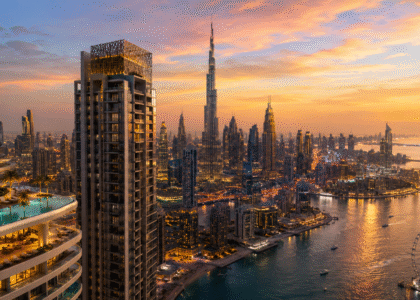
- Downtown Dubai — iconic towers and the Burj Khalifa neighbourhood
- Dubai Marina — a waterfront community popular with expatriates
- Palm Jumeirah — ultra-luxury villas and branded residences
- Jumeirah Village Circle (JVC) — affordable, family-friendly living
- Business Bay — prime commercial and residential hub
Foreign nationals may only purchase within the designated freehold zones approved by the Dubai Land Department (DLD). Outside these zones, ownership is restricted to UAE and GCC citizens.
What Is Leasehold Property?
A leasehold arrangement grants the buyer the right to use a property for a fixed period — typically between 10 and 99 years — without owning the underlying land. Once the lease expires, the interest reverts to the landowner unless the agreement is renewed.
Leasehold property in Dubai is available across both designated and non-designated zones, making it a viable entry point for buyers seeking lower costs or access to areas not open to full foreign ownership.
Important Leasehold Considerations
- Lease terms typically range from 10 to 99 years
- Resale and subletting rights are subject to the lease agreement
- Major renovations may require landlord approval
- No ownership of the land itself
- Renewal terms should be negotiated before exchange
Freehold vs Leasehold: Side-by-Side Comparison
Feature | Freehold | Leasehold |
Ownership Duration | Permanent / Indefinite | 10 – 99 Years |
Land Ownership | Yes | No |
Foreign Buyer Eligible | Yes (designated zones) | Yes (most areas) |
Resale Rights | Full freedom | Subject to lease terms |
Renovation Rights | Full freedom | May require approval |
Typical Entry Cost | Higher | Lower |
Residency Visa Eligible | Yes (from AED 750K) | Generally no |
Which Ownership Type Is Right for You?
The right choice depends on your objectives. If you are seeking long-term capital appreciation, the ability to pass your asset on to future generations, or eligibility for a UAE investor residency visa, freehold ownership offers the stronger legal foundation. Your title deed is registered with the DLD, providing the highest level of protection available.
If your priority is affordability or access to an established community outside the designated zones, a leasehold arrangement can deliver compelling value. Many developments on this basis offer competitive rental yields and remain liquid in the secondary market.
Investors acquiring freehold property valued at AED 750,000 or above may be eligible for a UAE investor residency visa — adding a lifestyle dimension that goes beyond pure financial return.
Registration, Legal Framework & Due Diligence
All real estate transactions in Dubai — freehold or leasehold — must be registered with the Dubai Land Department. The DLD issues a title deed for freehold purchases and a lease registration certificate for leasehold agreements. Both are official instruments confirming your legal interest.
Before committing to any purchase, always verify the development’s classification, the developer’s track record, the service charge history, and whether the community is managed by a RERA-registered entity. A qualified real estate lawyer or registered broker can guide you through the due-diligence process.
Conclusion
Understanding the difference between freehold and leasehold is the most important step any buyer can take before entering the Dubai market. Freehold offers permanence, full legal title, and residency visa eligibility — ideal for long-term investors and families. Leasehold offers accessibility, lower entry costs, and access to established communities that might otherwise be out of reach.
Neither is superior. The right choice is simply the one that aligns with your budget, timeline, and goals.
Dubai remains one of the most transparent and investor-friendly real estate markets in the world. Move with clarity, know your ownership rights, and work with the right professionals — and you will be well positioned to make the most of everything this city has to offer.
Ready to take the next step? Speak to our team today.
✅ Ready to Make the Smart Move?
Explore our latest smart home listings or book a free consultation with a Heptagon advisor today. Let’s help you find a home that’s not just modern—but future-ready.
Call us: +971 50 203 5824
Email: info@heptagonproperties.com
Website: https://heptagonproperties.com
Check out our contracting company: https://charminardubai.com/
Follow us on Instagram | LinkedIn | YouTube | Facebook | Tiktok
Frequently Asked Questions (FAQs)
Can foreigners buy freehold property in Dubai?
Yes. Non-UAE nationals can purchase within the designated freehold zones approved by the Dubai Land Department. These include Dubai Marina, Downtown Dubai, Palm Jumeirah, and many other communities across the city.
What is the maximum leasehold period in Dubai?
Leasehold agreements in Dubai can run for up to 99 years. The specific term is negotiated between buyer and landowner and must be formally registered with the DLD.
Does buying in Dubai qualify me for a residency visa?
Purchasing a freehold unit valued at AED 750,000 or above may make you eligible for a UAE investor residency visa. The visa category and duration depend on the purchase price and prevailing immigration regulations.
Are leasehold properties harder to resell?
Not necessarily. Many leasehold developments in established communities have active secondary markets. However, a shorter remaining lease term can affect resale value and mortgage eligibility, so buyers should review this carefully.
What is the difference between a title deed and a lease registration certificate?
Very important. Well-staged properties attract more buyers and can lead to quicker and higher-value sales.