Table of Contents
Location has always been one of the most critical factors in determining the value of real estate, but in today’s rapidly evolving world, it is shaping much more than property prices. It is redefining the way cities grow, how communities are designed, and how urban development strategies are executed. From transportation connectivity to sustainable living initiatives, modern Location trends are influencing everything from housing demand to business investment. This blog explores how these shifts are transforming the urban landscape and what it means for future development.
The Historical Weight of Location Trends
Traditionally, the phrase “Location, location, location” was synonymous with real estate success. Proximity to markets, schools, and amenities determined not only property desirability but also long-term returns. While these fundamentals remain true, the definition of Location has expanded. It now includes digital infrastructure, access to green spaces, and alignment with modern lifestyle preferences, such as walkability and work-from-home flexibility.
Smart Cities and the Digital Dimension of Location
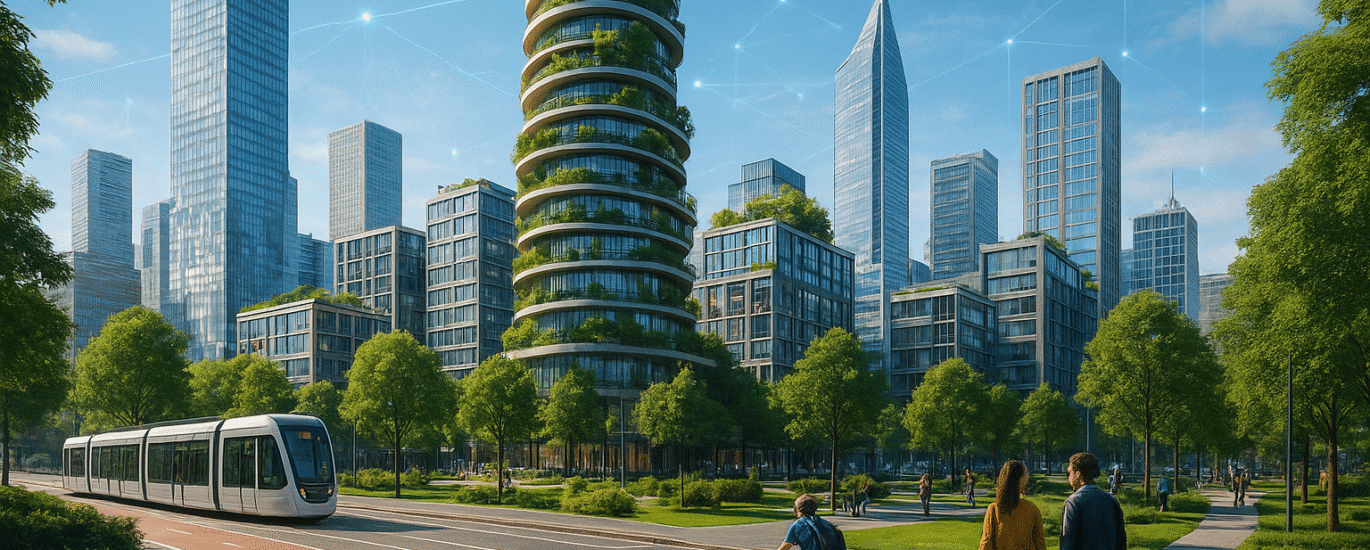
With technology playing a central role in daily life, Location is no longer just about physical proximity. High-speed internet, reliable mobile coverage, and access to digital infrastructure are now seen as equally important as roads and highways. Cities around the world are investing in smart technologies to support business growth, attract talent, and create efficient governance systems. As a result, urban development strategies increasingly integrate digital Location as a key driver.
Location Trends and Sustainability in Urban Planning
Environmental concerns are pushing urban developers to rethink how Location can promote sustainability. Projects that prioritize eco-friendly transportation systems, renewable energy access, and reduced carbon footprints are in high demand. Communities that are closer to workplaces, schools, and public amenities reduce commuting times and dependency on private vehicles. This not only enhances quality of life but also positions Location as a central pillar in building greener cities.
Mixed-Use Developments: Redefining Community Spaces
Another emerging trend in Location-driven urban development is the rise of mixed-use communities. These developments combine residential, commercial, and recreational spaces within the same area, creating self-sufficient neighborhoods. By strategically selecting the right Location for such projects, developers are able to meet the demand for convenience and social interaction while reducing urban sprawl. The success of these spaces highlights how Location is no longer only about geography but also about functionality.
Remote Work and Shifting Location Trends Priorities
The global shift toward hybrid and remote work has also changed how Location impacts urban development. For many professionals, proximity to central business districts is less important than before. Instead, access to quality housing, reliable digital infrastructure, and lifestyle amenities is becoming more valuable. Suburban and secondary cities are benefiting from this change, as people seek Locations that balance affordability, space, and connectivity. This trend is reshaping investment strategies for developers and city planners alike.
Transportation and Connectivity as Location Catalysts
Efficient transportation systems remain at the core of successful urban development. Metro lines, bus routes, and major highways continue to define the value of a Location Trends , particularly in densely populated cities. However, emphasis is shifting toward sustainable mobility options such as cycling lanes, electric vehicle infrastructure, and pedestrian-friendly designs. Cities that prioritize these Location-related features are positioning themselves as hubs of innovation and livability.
Globalization and the New Definition of Location
Urban development is no longer confined to local priorities. Global trends, such as foreign investment in real estate and the movement of talent across borders, are redefining Location on an international scale. Developers are paying attention to how a city’s Location Trends on the global map—its trade routes, tourism potential, and international reputation—affects growth prospects. This interconnected perspective is reshaping how governments and investors plan urban projects.
The Future of Urban Development and Location
Looking ahead, Location will continue to play a multifaceted role in urban development. Smart city technologies, climate-conscious designs, and flexible work environments will all be shaped by how effectively Location factors are integrated into planning. The cities that thrive will be those that adapt to evolving Location priorities—balancing traditional needs with modern expectations.
Conclusion
Location is more than just a point on a map; it is the foundation on which modern urban development is being built. By recognizing how Location influences sustainability, technology, community living, and economic growth, developers and planners can create cities that are not only functional but also future-ready. The ongoing evolution of Location trends makes it clear that the places we choose to live, work, and invest in will continue to define the quality of our lives and the success of our cities.
✅ Ready to Make the Smart Move?
Explore our latest smart home listings or book a free consultation with a Heptagon advisor today. Let’s help you find a home that’s not just modern—but future-ready.
Call us: +971 50 203 5824
Email: info@heptagonproperties.com
Website: https://heptagonproperties.com
Check out our contracting company: https://charminardubai.com/
Follow us on Instagram | LinkedIn | YouTube | Facebook | Tiktok
Frequently Asked Questions (FAQs) Questions (FAQs)
Why is Location important in urban development?
Location is important because it determines accessibility, connectivity, and the overall livability of a community. It influences property values, investment potential, and the sustainability of urban projects
How are modern Location trends different from traditional ones?
Traditional Location trends focused mainly on proximity to schools, markets, and business hubs. Modern trends include digital connectivity, eco-friendly designs, mixed-use spaces, and lifestyle-driven amenities.
What role does sustainability play in Location choices?
Sustainability is reshaping Location priorities by encouraging developments that reduce commuting, integrate green spaces, and provide renewable energy access. These initiatives make urban areas healthier and more future-ready.
How has remote work influenced Location trends?
Remote and hybrid work has reduced the emphasis on central business district proximity. Instead, people now prefer Locations with affordable housing, strong digital infrastructure, and lifestyle amenities in suburban or secondary cities.
What is the connection between smart cities and Location?
Smart cities depend on advanced Location infrastructure, including high-speed internet, data-driven planning, and efficient public services. These features make urban spaces more attractive to investors, residents, and businesses.